
I’ve been driving Albert to doctors’ appointments, physical, occupational, and speech therapy, dentist appointments, to see this neurologist, his cardiologist, etc. Taking him to his appointments is necessary, but time-consuming because all of the appointments happen during the week and during the workday.
I usually leave for work around 7:00 am and work 3-4 hours in the mornings on days that Albert has an appointment. I leave work around 10:30 am and drive home to pick him up, and then take them to his appointment Appointments last between 1-2 hours. After the appointment, we pick up lunch, and I then take him home. After dropping him off at the house, I go back to work. I’m gone for hours at a time at the doctor’s appointments. When this happens, I work late to make up the time that I’ve missed, so some days are extremely long.
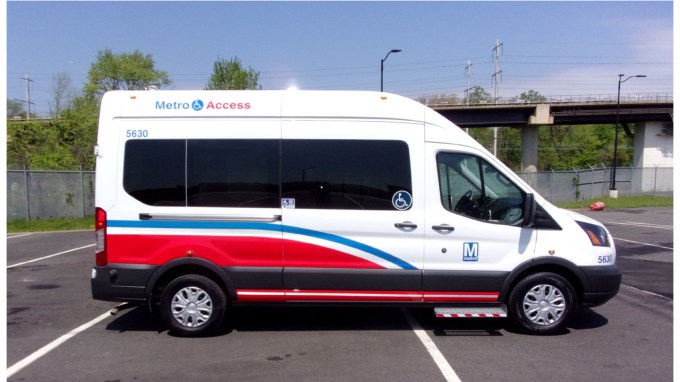
I learned recently that Austin has a ride share program for people with disabilities called Metro Access. Metro Access is a demand-response service for people whose disabilities prevent them from riding a regular bus or train service. Metro Access is a fixed-route bus service that will pick Albert up at the house and take him to his destination, and then return him to the house after his appointment. I wanted to learn more about Metro Access and called them to make an appointment to see if Albert was eligible for the service.
When I finally got an appointment, I learned that the eligibility process included an application, medical verification of his disability from his primary doctor, and then an interview by staff. I got the paperwork together, and Albert and I went to the interview. During the interview Albert was asked questions related to barriers that kept him from riding regular transportation. They asked many questions that he couldn’t answer. After the interview Albert was given a functional assessment which I hadn’t expected. They asked him to walk and perform other physical movements As I watched and listened to the staff member, I thought, Albert can’t answer their questions, is right side weak, and walks with an impediment. What were they thinking? When they asked me if he could walk to the bus stop or ride a city bus safely, my answer was a resounding ‘No’. We left the interview with lots of questions and little satisfaction.
About one month later, Albert received a letter from Metro Access stating that he was accepted as a rider, and Metro Access has been a blessing since day one. When Albert has a doctor’s appointment, I call Metro Access at least 24 hours in advance. I tell them the time and location of the appointment and the approximate time the appointment will end. They, in turn, give me a thirty-minute window of time that Albert will be picked up at the house. Metro Access is prompt and gets him to his appointments early. Because Albert gets picked up at the house, I can go directly to the doctor’s office from work and have an opportunity to talk to the doctors thoroughly during his appointment. At the end of the appointment, Metro Access picks Albert up and takes him back to the house, and I go back to work.
Metro Access has saved me hours and has allowed Albert to be more independent. When Albert has extra time after an appointment, he goes to a nearby restaurant to buy food or anything he wants to buy before the bus arrives. I don’t know if Albert’s been late for his pick up, but I know that Metro Access has taken him home safely every time he rides with them.
There are many services that are offered to people with disabilities, but caregivers must know what they are and where to find them. I learned about Metro Access through an occupational counselor Albert was seeing for a short time. If it wasn’t for the conversation that I had with this counselor one afternoon, my life would be drastically different.





 Learning to Live Life and Loving it - Carol Johnson Blogs